Mike Lawrence · Workplace mental health and wellbeing · Speaking, training and consultancy
Your people may not say they are struggling. The workplace usually says it first.
Silence. Tension. Mistakes. Low energy. Absence. Managers unsure whether to step in—or what to say if they do.
These are not always performance problems. They can be early signs that pressure is becoming harder to hide. Mike helps organisations notice what is changing, open safer conversations and act before pressure becomes a bigger human and business problem.
Start with the scorecard or arrange a straightforward initial conversation. No perfectly written brief is required.
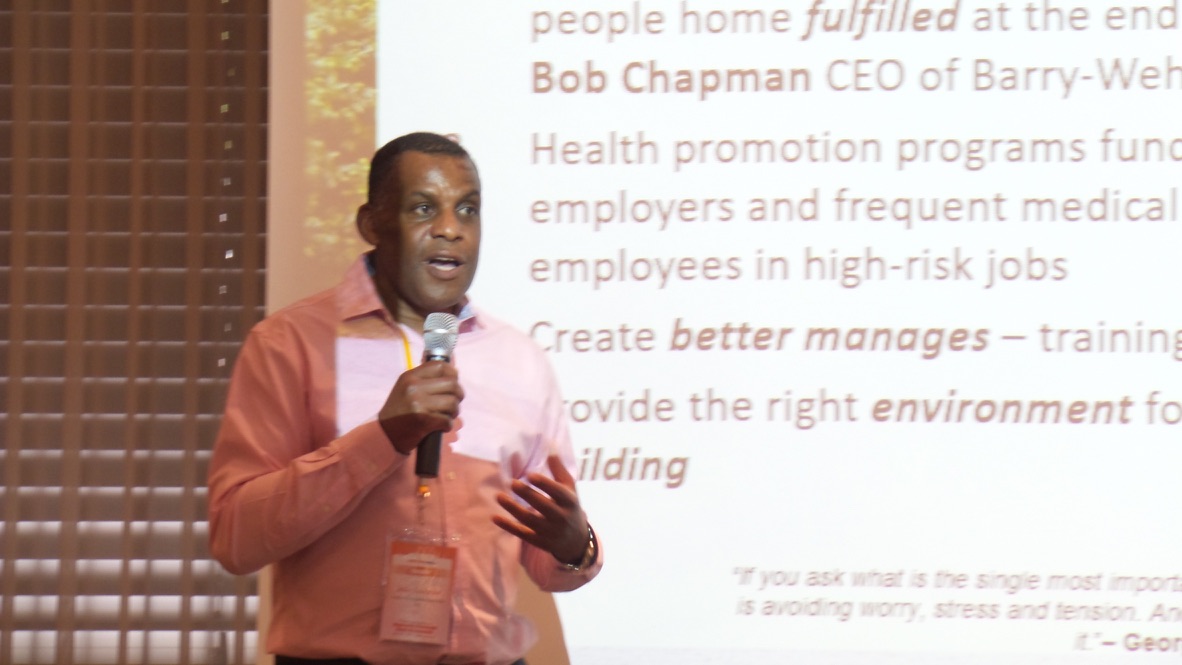
Notice earlier. Talk more honestly. Act more confidently.
Workplace wellbeing should change what happens on Monday—not simply create applause on Friday.
I was very impressed with both his intelligence and his humanity.
Robert Gordon, PhD, ABPP Fellow of the American Psychological Association, after hearing Mike speak at a professional conference on stress.
The hidden cost of waiting
Pressure rarely begins with a crisis. It begins with signals people explain away.
By the time pressure appears on an absence report, it may have been visible for weeks—in changing behaviour, avoidable mistakes and conversations managers were unsure how to begin.
Silence can look like coping
Someone contributes less, withdraws or disappears behind a screen. They may be disengaged—or using all their energy simply to get through the working day.
Mistakes can be treated as capability
Changes in concentration, memory or confidence can quickly become a performance conversation before anybody asks what may be driving them.
Being busy can hide overload
Long hours, skipped breaks and constant availability may be praised as commitment—even when somebody is moving closer to exhaustion.
What waiting can create
What feels manageable today can become expensive tomorrow.
Unnoticed pressure can become absence, presenteeism, conflict, reduced confidence and managers spending more time responding after problems have escalated. The cost is not only financial. It is also human.
A support service is not the whole strategy
An EAP can only help when somebody feels able to use it.
Employee assistance programmes can provide valuable support. They do not replace managers who can notice change, begin an appropriate conversation and make it feel safe for somebody to accept help.
How Mike can help
Different pressure needs a different response.
A keynote cannot solve every cultural problem. A training course cannot replace good leadership. A wellbeing strategy cannot work if people do not feel safe enough to use it.
Mike helps organisations choose the response that fits what is actually happening—not simply the activity that is easiest to put in the diary. That may mean opening a difficult conversation, strengthening managers’ confidence or examining the conditions placing people under pressure.
Speaking and keynotes
Name what people recognise but rarely say aloud.
Thought-provoking sessions that help leaders, managers and teams recognise hidden pressure, question what has become normal and begin more honest conversations.
Best when: you need to create recognition, open a wider conversation or give an audience a practical reason to act.
Explore speaking with MikeMental Health First Aid
Give people the confidence to notice, listen and respond.
Live MHFA England training that develops practical first-response skills without asking managers or colleagues to become therapists. Participants learn how to listen, maintain boundaries and guide someone towards appropriate support.
Best when: people want a recognised framework, clearer role boundaries and greater confidence around mental health conversations.
View Mental Health First Aid trainingWorkplace wellbeing consultancy
Look beyond the symptoms to what is creating the pressure.
Bespoke workshops, leadership conversations and practical consultancy shaped around your people, working environment and organisational pressures.
Best when: isolated wellbeing activity is not changing behaviour, managers need support or the same problems keep returning.
Explore workplace wellbeing supportWhy organisations bring Mike in
Not another wellbeing voice. A perspective shaped by work and real life.
Mike helps turn difficult subjects into conversations people feel able to have—and practical action managers feel confident taking.
He understands the employee holding everything together, the manager who senses something has changed and the organisation that needs a response which is human, responsible and workable.
Leadership, study and published work
Advice that works when Monday becomes busy.
More than 20 years of leadership and management experience, postgraduate management study and co-authoring Confidence: How to Have It and Keep It give Mike a practical understanding of targets, accountability, behaviour and difficult decisions.
What this gives you: clear thinking and usable language people can apply at work.
Stage and training room
Serious learning delivered with humanity.
From his early experience as a Butlin’s Redcoat to professional speaking and his work as an MHFA England Instructor Member, Mike knows how to hold a room without trivialising difficult subjects.
What this gives your audience: an engaging and psychologically safer conversation in which people can listen, question and participate.
Lived experience and confidential practice
A whole-person view with clear professional boundaries.
Experience of workplace pressure, burnout, serious illness and recovery—together with coaching and complementary approaches—helps Mike understand how pressure can affect thoughts, behaviour and the body.
What this changes: people feel understood while the conversation remains responsible, practical and appropriately bounded.
Mike at work
Different rooms.
The same purpose.
Help people recognise what is changing, talk more honestly and leave knowing what to do next.
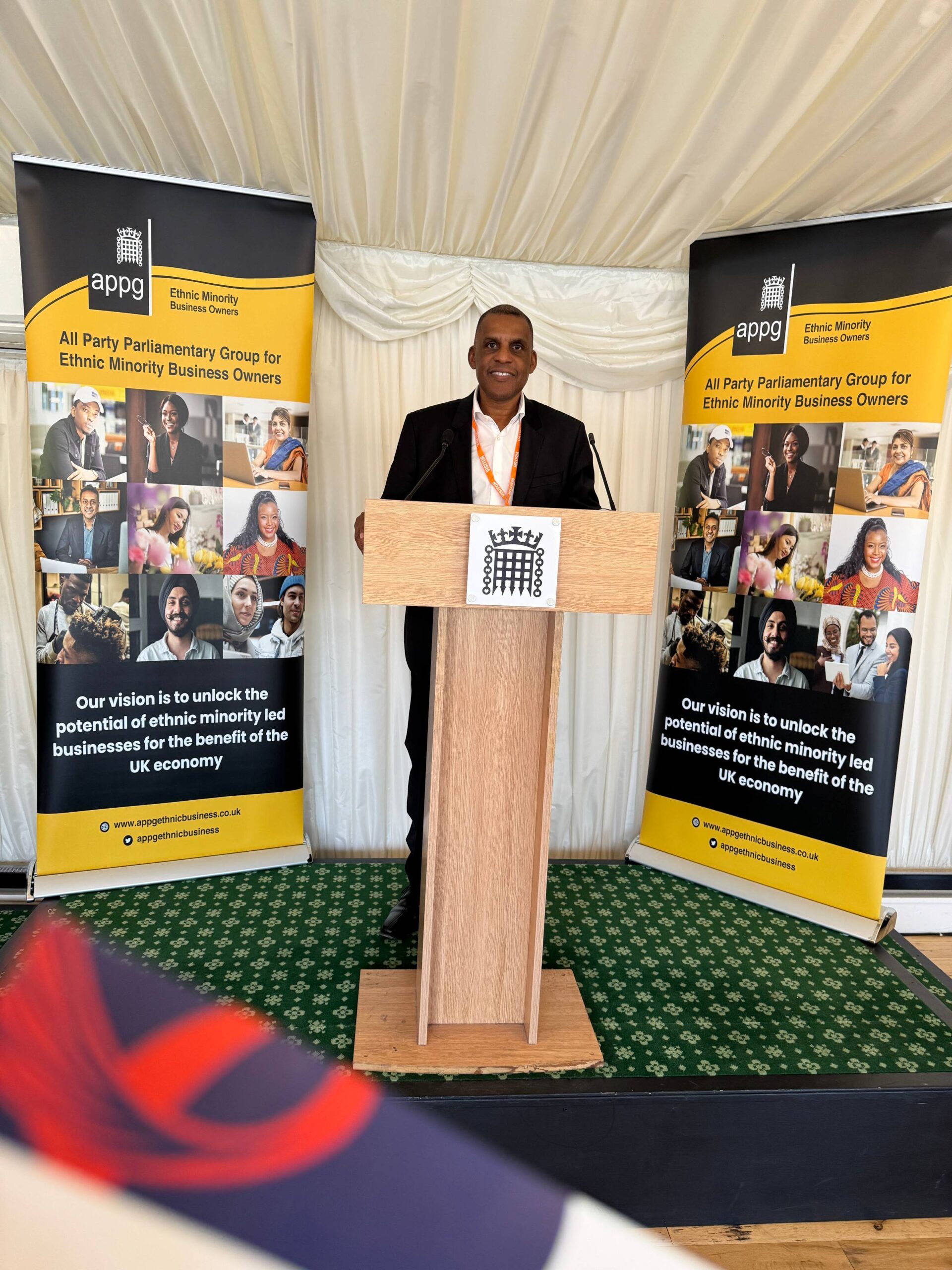
Public speaking
Serious conversations in influential rooms.
Mike brings workplace wellbeing, leadership and human experience into conversations where the message needs to be clear and credible.
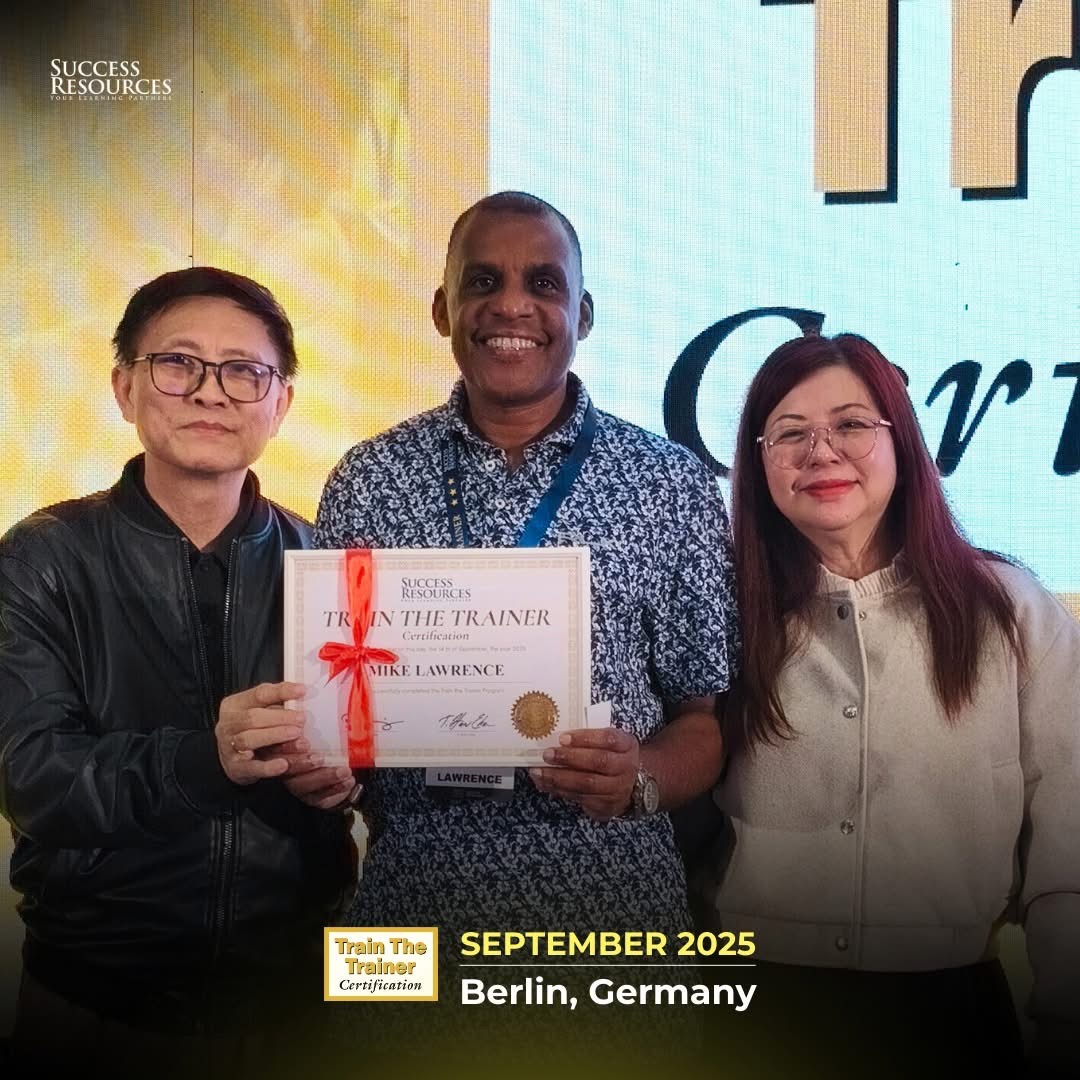
Professional development
Continuing to sharpen how learning lands.
Continued development strengthens how Mike communicates, facilitates participation and turns complex subjects into useful action.
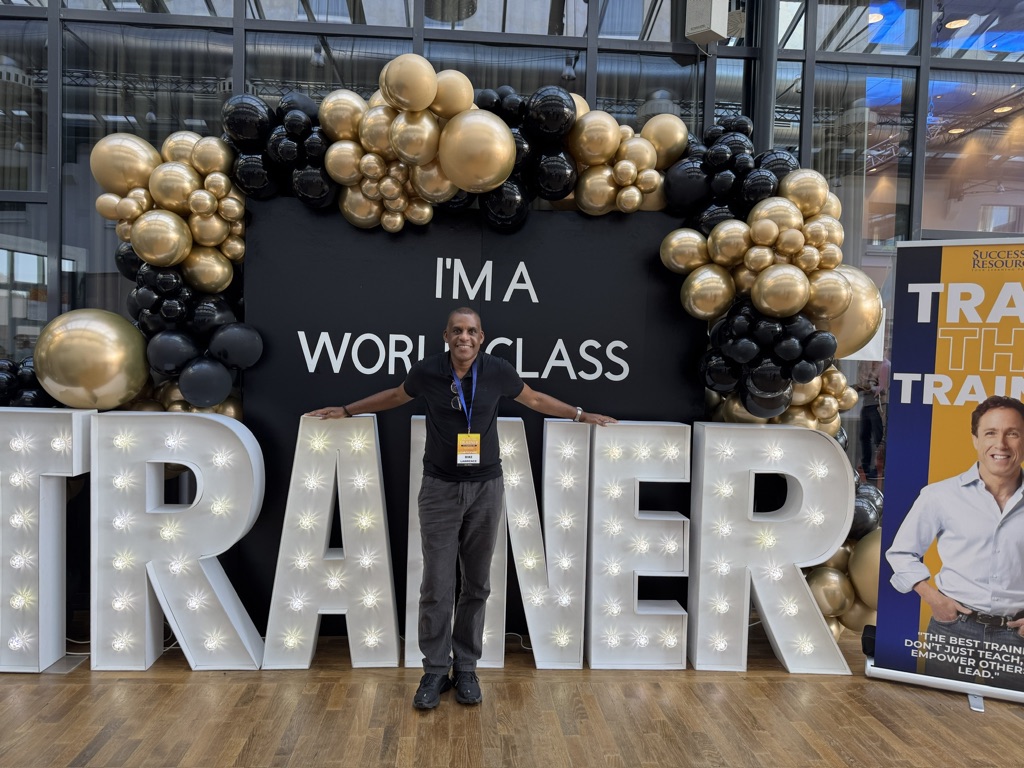
Training and facilitation
Presence matters when the subject is difficult.
Mike creates an engaging and psychologically safer environment in which people can listen, question and participate without being trivialised.
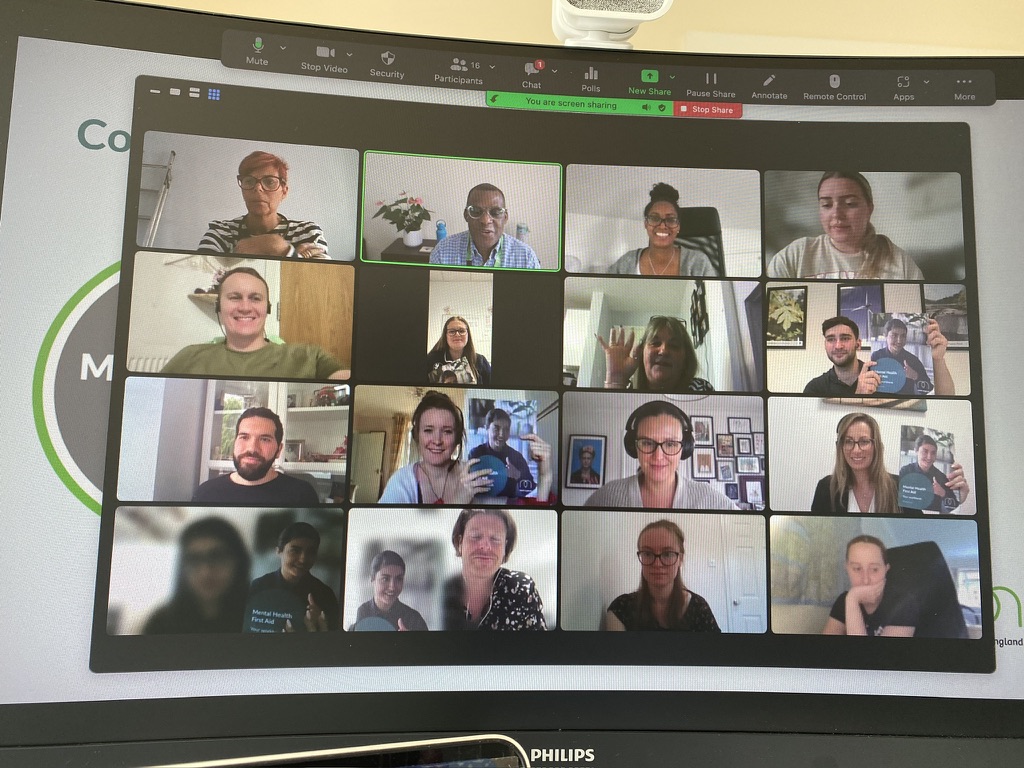
Live online delivery
Human connection does not depend on sharing a room.
Structured online sessions give distributed teams space to learn, ask questions and practise more confident workplace conversations.
Choose your next step
Recognise something here?
Use the scorecard to identify where closer attention may be needed, or tell Mike what is happening and begin a straightforward conversation about the right response.